The likelihood of wildfire dangers is emerging and multiplying at a much faster rate than ever before. For this reason, aerial firefighting operators that are recognized as safe and well-coordinated are sought after desperately. Converting an airport as a firefighting base should be seen not only as a new infrastructure project, but also as an operational partner who bears some of the risk that the air operator is liable for conjointly. Aerial firefighting integrates the risk of the aviation industry and the risk of firefighting. By understanding the nature of the air operator's high risk aerial work via the regulatory standards of Canadian Aviation Regulations (CARs) Part 7, we are showing them that we understand the cost, and that we are willing to bear some of these costs because the work is worth it.
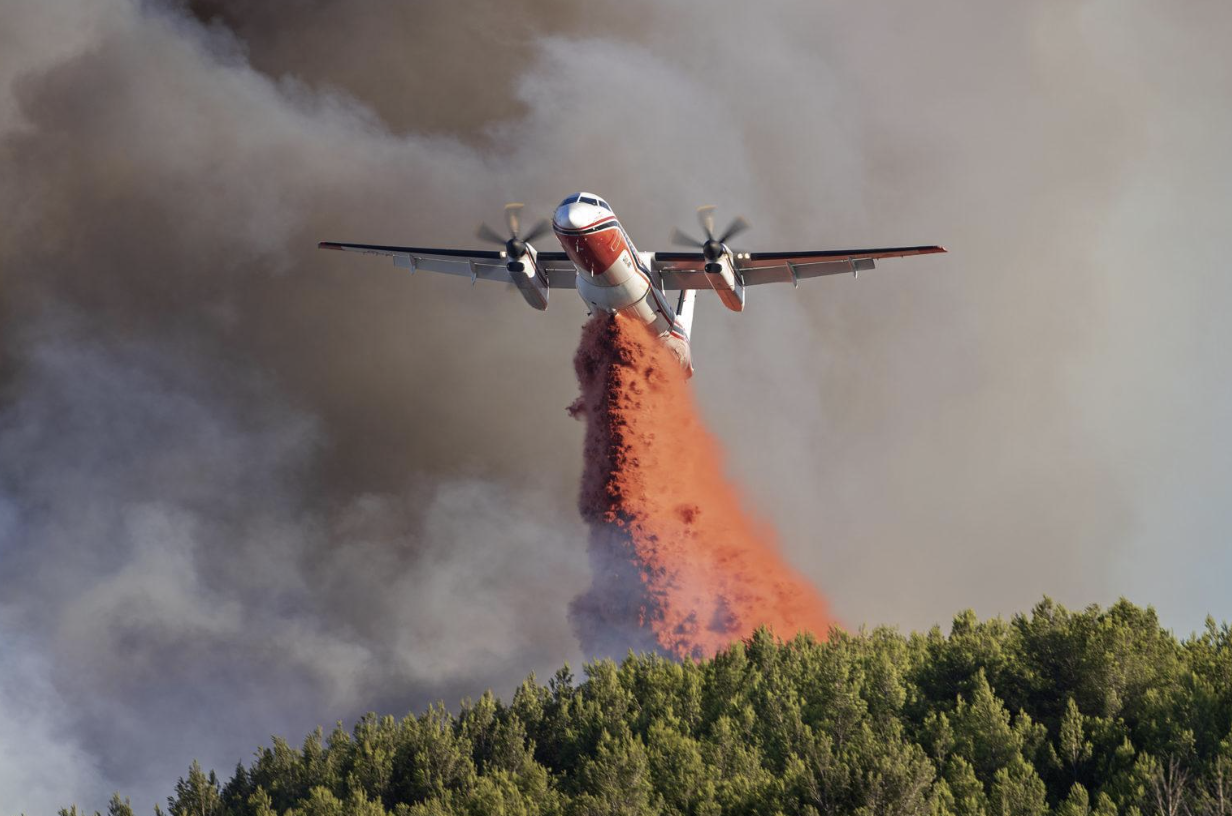
The operations are to be accomplished first and foremost with a tactical rapid response capability. It's an efficient strategy where the mission is to handle fire suppression under the mission's initial attack whenever possible, where aircraft are to be deployed rapidly in a coordinated pattern to stop the growth of fire by dropping retardant lines around the fire source. Circling the source with retardant will stop the fire before it's able to spread further, and aid ground responders to safely confront the fire knowing that it couldn't spread to a level that would endanger their lives. To further provide ground responders with aerial assistance, the operator will deploy amphibious airtankers to drop a load of water on the fire source and continuously scooping fresh water from nearby lakes. The goal is to suppress fire within a 20 to 30 minutes window. This approach complies with CARs 702.01 as it involves aerial operations involving the dispersal of products. It also makes use of CARs 602.15(1)(c) that allows a licensed operator to fly below standard safe altitude and distance for the purpose of firefighting, so long as safety is uncompromised.
Air operators have little to no choice but to navigate the hectic airspace surrounding their firefighting operation. They must be capable of managing their work with nearby air traffic, busy radio communications, and evolving tactics with a small chance of securing a Temporary Flight Restriction (TFR) on their airspace. The reason why being dependable on a TFR is often ineffective is because it takes time to secure, which is the losing strategy to handle a burning wildfire. The situation therefore demands meticulous and well-defined protocols around a Fire Traffic Area (FTA) with a minimum tolerance for disruptions of any kind. This is addressed in CARs 702.14, which mandates an operational flight plan with the procedures stated in the operator's company operational manual in accordance with the Commercial Air Service Standards. The operational manual shall be always referred to as it ensures that the missions are regulated and documented. CARs 702.22(2) for the purposes outlined in CARs 602.15(2) establish the guidelines when operating below standard aerial work zone limits. Furthermore, CARs 702.46 mandate aircraft to be equipped with Airborne Collision Avoidance System (ACAS) and Mode S transponder.
Due to the repeated low-level flight of firefighting that is typically 500-5,000 feet above ground level, operators need to turn written procedures into crew readiness training that are always accomplished in accordance with Standard Operating Procedures (SOP). CARs 702.76(1) dictates that there must be a structured training program encompassing aerial firefighting specific training, emergency procedures, servicing, and ground handling training. Training allows flight crew to be ready for typical emergency situations during their mission such as runaway trim and engine failures. For operations on heavier aircrafts with more than one crew, CARs 702.84 states that the SOP must be established and be made available on board to standardize practices to all crew members, ensuring that crew coordination remain consistent. Finally, CARs 702.91(1) describes the regulation on monitoring systems for flight time, duty periods, and rest periods. These factors must be put in place to control the risk of fatigue.