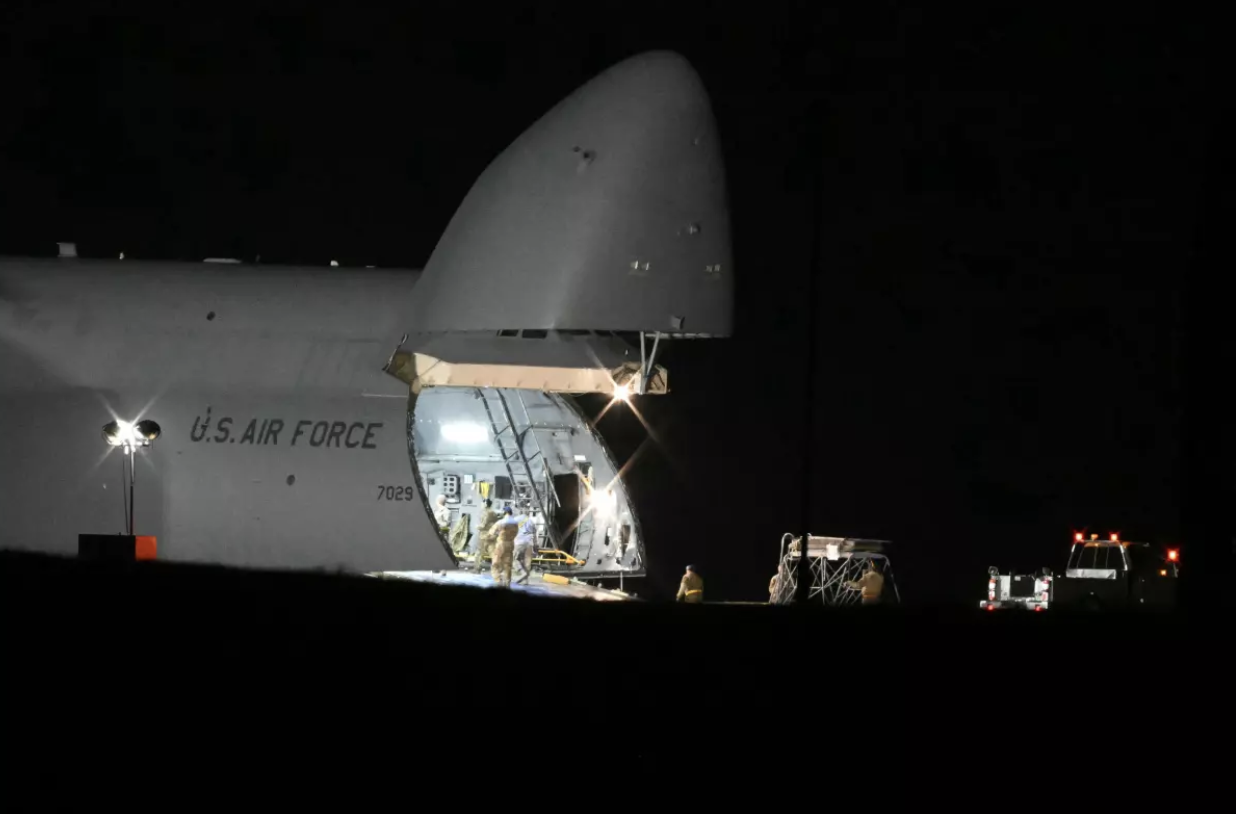
The conflict between Russia and Ukraine, starting in 2022, brought along the imposition of various sanctions and the creation of a few no-fly zones, which hampered the aviation sector. The impact of the conflict was especially felt by specific trading partners and across key markets. The start of the war prompted a surge in global oil prices. However, the opportunity to find alternative sources of fuel and destination markets will help to offset some of these potential impacts over the next few years. Similarly, the recent War in Iran resulted in many canceled flights in the Middle East region, a cut down of seats available, and a significant reduction in total revenues for many airlines. Fuel costs are a notable area of concern for international companies. Most airlines opted for hedging oil bills to mitigate the risks of the war.
Reading through all the recent conflicts made me realize how little control an organization has outside of their Internal Process Perspective, which is a concept we learned on the Balanced Scorecard system. In my opinion, good companies survive external crises while strong companies are defined by them. Strong leadership that adopts the Situational Leadership Theory can be the defining factor for an organization's bright future. Strong leaders are those who consider the relationship they have with group members, consider the task entails, consider the level of authority conferred by the leadership itself, and consider the maturity level of members to complete a task. Weak leadership are those who barely knows their group members and thus would flounder around in trying to figure out an imagined way to deal with issues that would shock them. Therefore, leaders must display strong adaptability and relationship building skill to have a strong internal foundation that they can fall back on in times of crises.