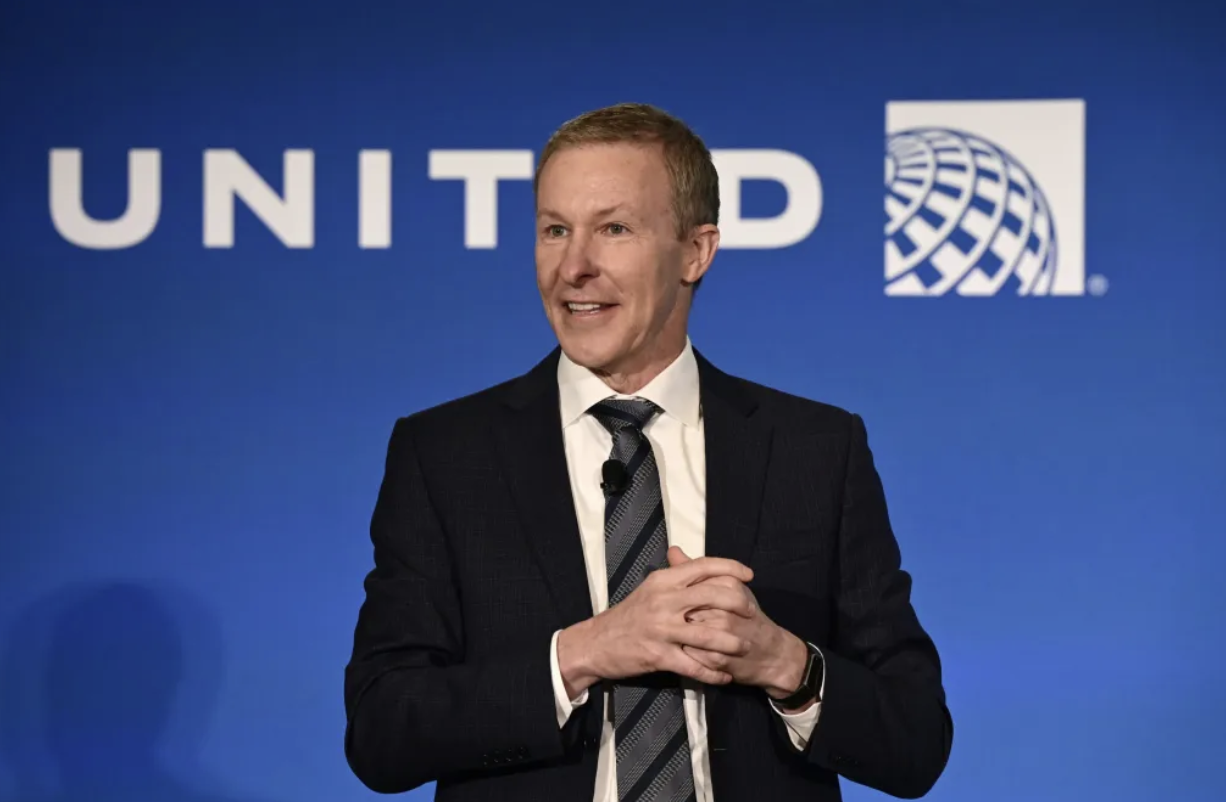
United Airlines under Scott Kirby has successfully come out of the pandemic by diversifying their market segment. Not only are they profiting with their low-cost option and directly compete with Ultra Low-Cost Carrier (ULCC) in terms of fares, but also with their international and premium option. I'm curious to see how United handle maintenance issues since they're operating over 1000 jets, which is a historic and impressive number. There's a ton of things to be excited about and there's a variety of things to be concerned about too, especially by the time they introduce their Blended Wing Body (BWB) fleet to the market.
When asked about their success and what they did to differentiate themselves, United Airlines mentioned that focusing on domestic flight is the reason why Southwest and American Airlines are falling behind. Could there be other reasons to why this is the case? There must be right? One straightforward answer to this is that I could think of is on how a legacy carrier make money traditionally. Their revenue comes mostly from selling first and business class seats. This to me is mind-blowing when I first heard about it because I thought airlines are losing money by offering first and business class. Economy seats making more money simply because there are much more of us buying these seats seems intuitive at first. Instead, the reason why the opposite is true is because airline's fares are historically closer to first class during the time when there were no classes. Suddenly the math makes so much sense. Travelling by air itself was a luxury back then. I'd have to thank business and first-class travellers the next time I flew economy.
Another interesting question to ask is whether ULCCs have any chance to prevail against industry giants like United. Scott Kirby hasn't been known to be shy on making loud criticisms on ULCCs. His performance as a leader suggests that there are merits behind his statements. With that said, does ULCCs have a fighting chance? Is the airline industry rigged against them in the first place? ULCCs should not be discouraged from taking on legacy carriers in the first place simply because they have fortresses and capital. Firstly, innovations from JetBlue betting on JFK to Southwest offering free checked bags are examples of how the free market and deregulation is working. When legacy copy, I think they should be flattered. The customers are the winner in the long run.
Secondly, I do not think airlines could reach a point where they become too big to fail. Pan Am was a founding member of the International Air Transport Association (IATA) and they are no longer around to comment. Lastly, the lines between the two are getting muddier instead of polarized. I believe WestJet used to positioned themselves as low cost but has now evolved into something else entirely, and even Flair likes to be called a value carrier instead of low cost. The future remains uncertain for anyone to rig this industry, and I honestly think that United understood this. The good news here is that uncertainties would force airlines as big and well-respected as United to elevate the ambition all the way up, which is no easy feat in an industry that rarely punches above their weight.